
Institutional history
1953
Teaching began on 3 September with three classes and 108 students.
Here the recorded events of the institution and the city follow one another in a single stream, in chronological order, from 1953 to the present day. The search covers names, places and events alike, while the topic buttons narrow it down to the university, the city, its leaders, student representation, published material or photo albums. Entering a year in the “Period (last year)” field brings up that period, and the decades on the right jump straight to a given era. Every card can be marked as familiar, and corrections, photographs and additions can be sent in from there.
526 events · 85–2026
Teaching began on 3 September with three classes and 108 students.
The first director was Avas Mihály.
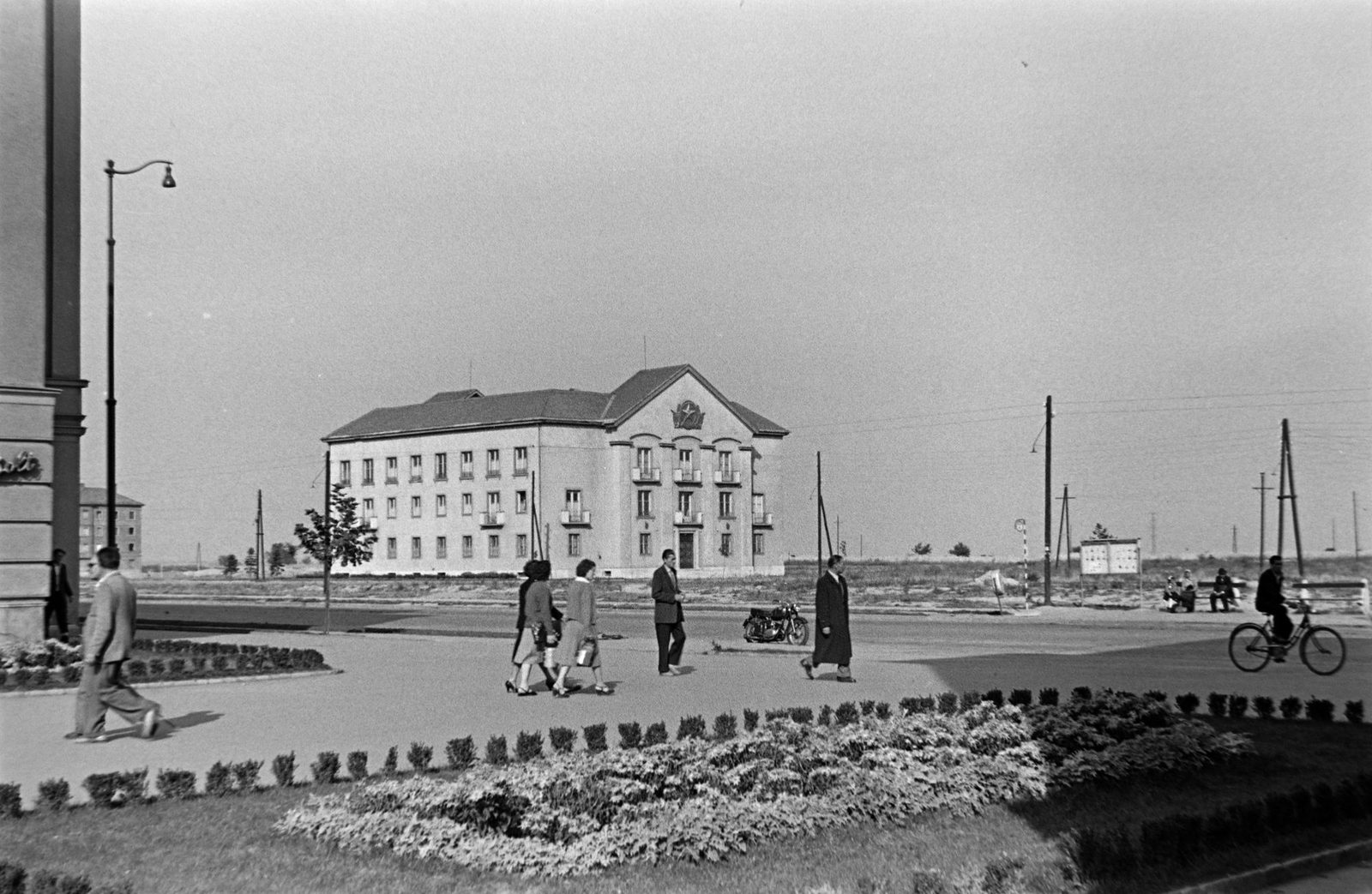
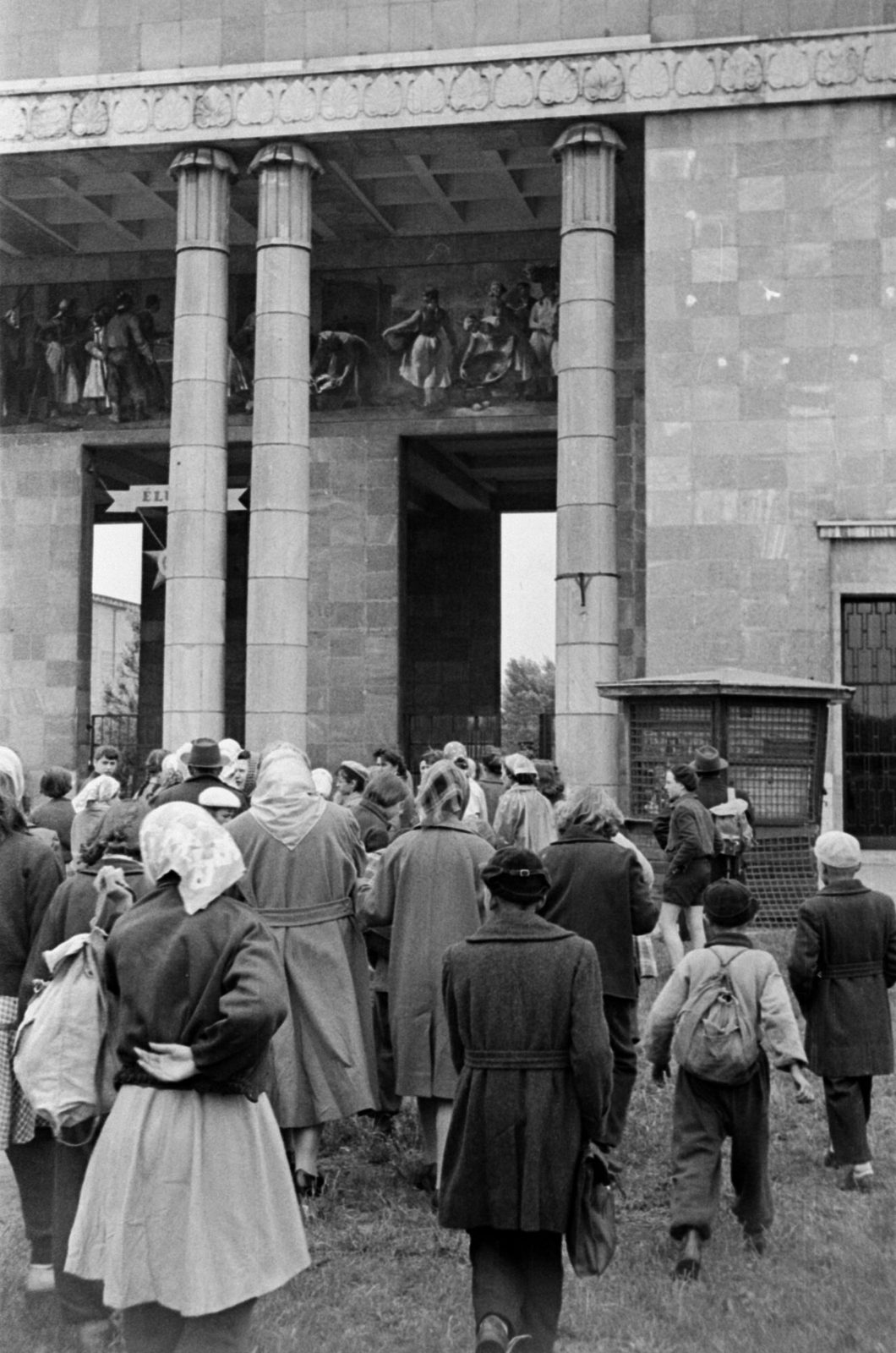
The main building was constructed between 1951 and 1953 in socialist realist style to the designs of Malomsoki József — at the opening the façade was not yet finished.
The first three classes came from the city itself; the two fourth-year classes, fifty students, transferred from the technical school in Diósgyőr. The teaching staff numbered 16.
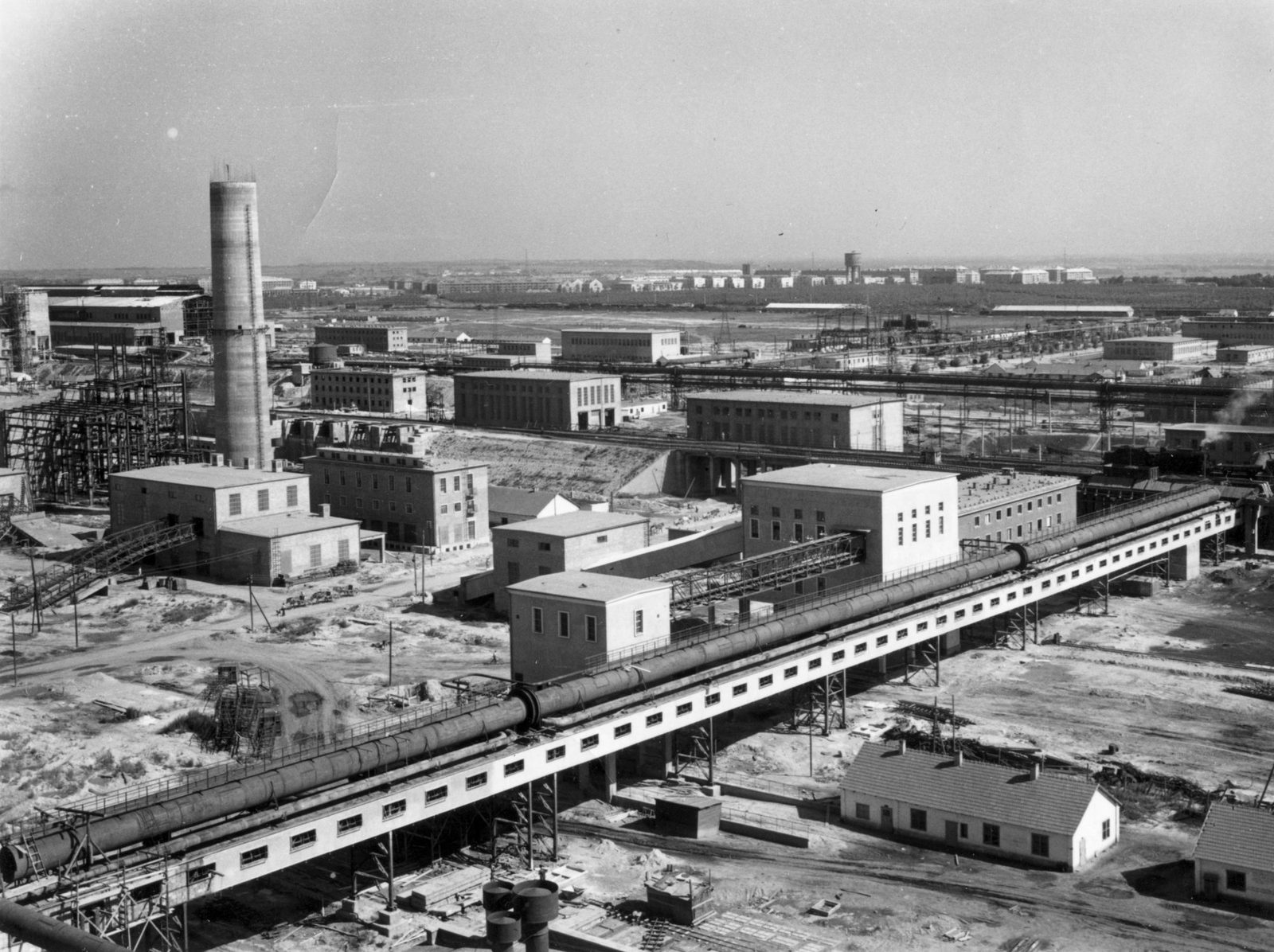
Teaching took place on the ironworks site: outside the plant only a single-storey building was available, and laboratory practicals were held in the ironworks' central laboratory.
The Szabadság Cinema opened in Dunapentele on 21 February.
Source: duol.hu
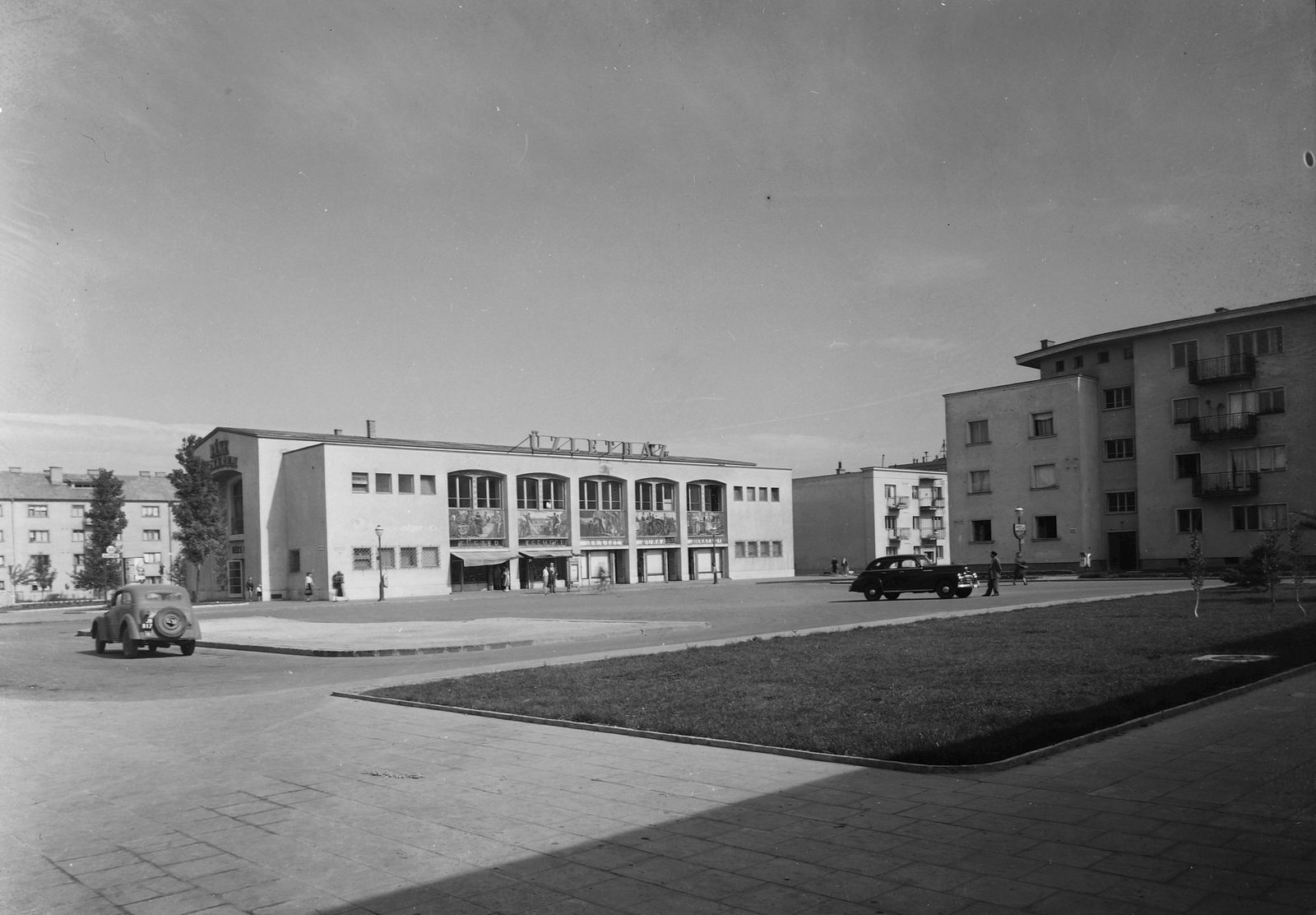
The Béke restaurant and shopping building opened on 18 August.
Teaching began on 15 September in the town's first school, later the Vasvári Pál Primary School.
On 7 November Dunapentele took the name Sztálinváros.
Source: duol.hu
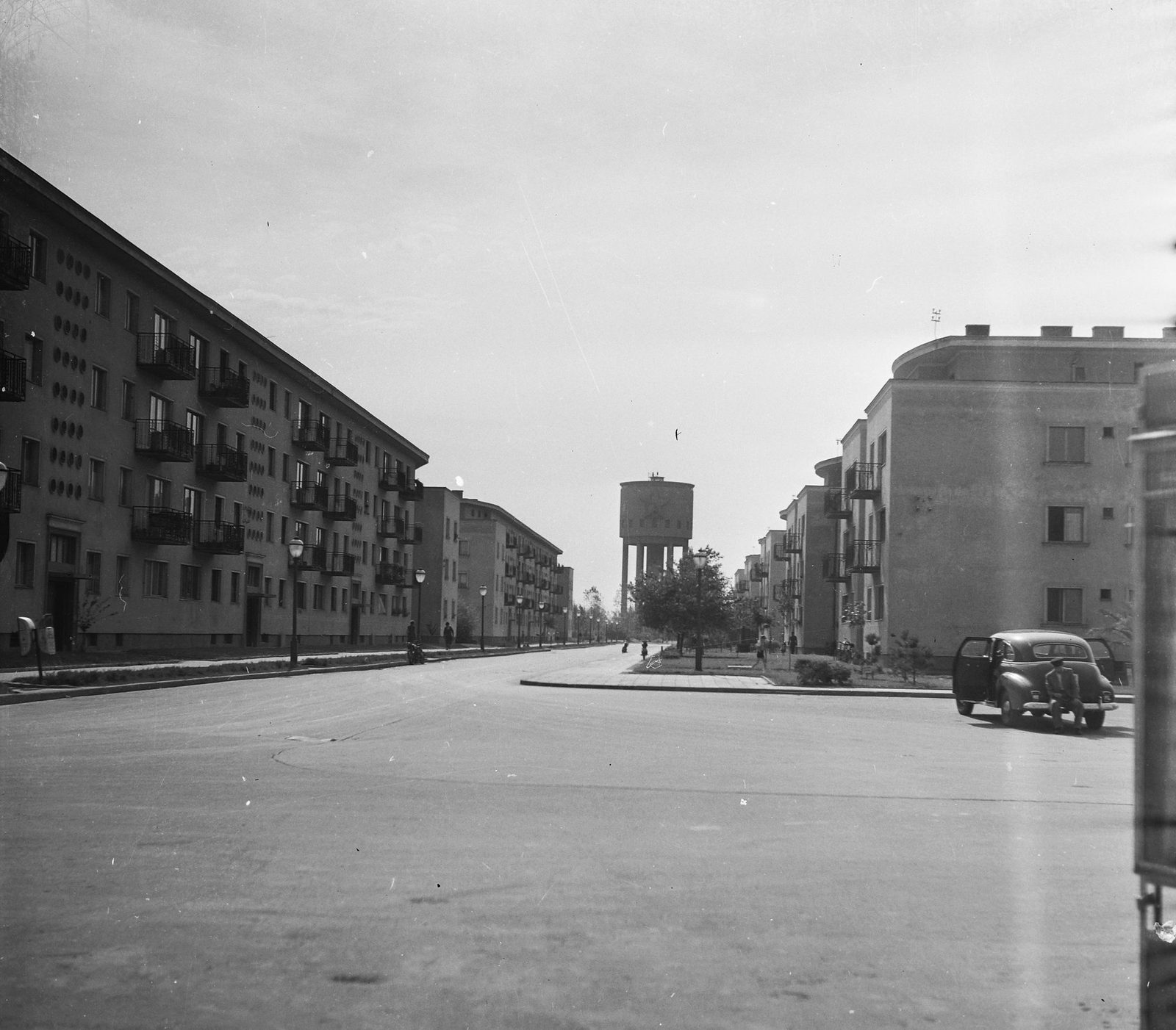
Water tower no. 1 was completed by 7 November.
Source: jakd.hu
The Dózsa György Cinema opened on 20 December with the Soviet film The Defence of Tsaritsyn.
Source: duol.hu
Outpatient clinic no. 1 opened on Vasmű Road on 30 April.
The amusement park opened on 1 May with 16 rides, next to the sports ground and the open-air stage.
Source: jakd.hu
Teaching began in September at the Móricz Zsigmond choral and music school.
The refractory materials plant began production on 7 November.
The town's first small hospital opened in a residential building, with internal medicine and surgery.
Source: jakd.hu
The Sztálinváros State Music School opened on 19 October.
Source: jakd.hu
The Bartók Béla Cultural Centre opened on 31 December.
The ironworks' power station supplied electricity for the first time.
Avas Mihály
director · 1953–1954 Founding director. He died on 7 September 1954 at the age of 38.
3 September 1953 — on the founding of the school
Publication
Sixty-fifth anniversary commemoration
Article
Source: uniduna.hu
University of Dunaújváros · commemoration · class reunion
Avas Mihály, the founding director, died on 7 September at the age of 38.
The hall of residence on Szórád Márton Road opened on 15 October with two hundred places; rooms were built for 10 to 18 students.
The school received its own training workshop, and the locksmith's workshop was completed.
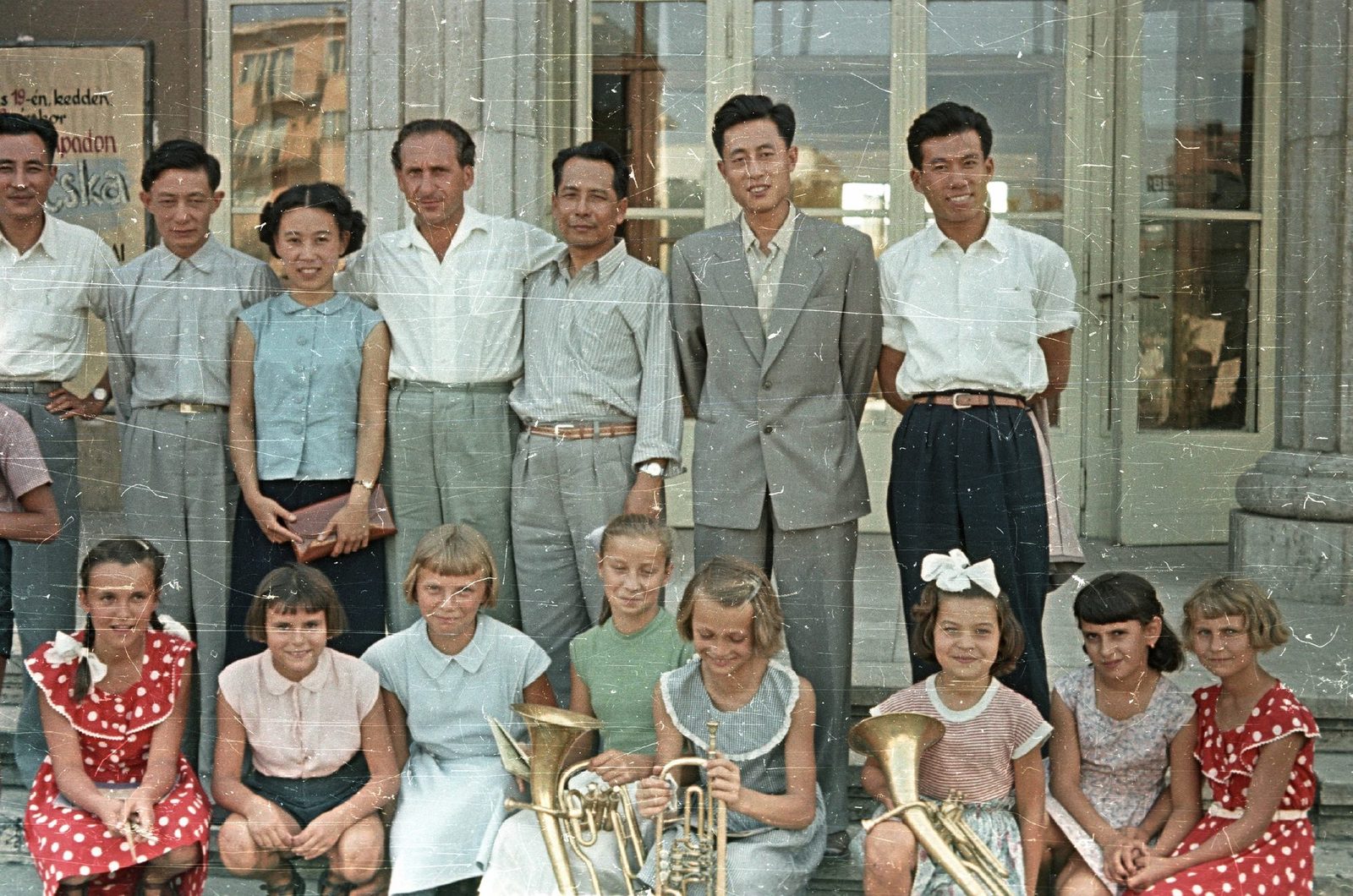
Nine Korean students also took part in the teaching.
Blast furnace no. 1 was tapped for the first time on 28 February.
The first steel was tapped from open-hearth furnace no. 3 on 19 August.
Source: jakd.hu
The Arany Csillag Hotel opened on 26 November.
Source: jakd.hu
The amusement park gained a Ferris wheel, a carousel and a shooting gallery.
Source: jakd.hu
The Sztálinváros–Rétszilas railway line opened in January, shortening the route between Komló and the town by 37 kilometres.
The printing house's permanent building was completed on 15 May, and the works moved in that same summer.
The school took the name of Antal Kerpely.
Ság Dániel became deputy director.
A ceremony was held on 7 November in honour of the namesake; the opening address was given by the engineer Kerpely Kálmán.
The school acquired laboratory equipment sent from Ózd and Kisvárda.
The amusement park's bowling alley was completed in June.
Source: jakd.hu
Jálics Ernő's sculpture Vine-dresser Boy was erected.
Source: kozterkep.hu
Kövesdy László
director · from 1955 We could not establish the closing year of the appointment.
On 24 October a town assembly restored the name Dunapentele.
Source: duol.hu
The Stalin Ironworks was renamed the Danube Ironworks.
Memories of half a century
Article
class reunion
The institution was renamed the Antal Kerpely Metallurgical and Mechanical Engineering Technical School.
Sixty-eight students sat the first school-leaving examinations.
On 3 April the town was again named Sztálinváros.
Source: duol.hu
The Vörös Október clothing factory was founded on Szalki Island in July with ten specialists from Budapest.
Blast furnace no. 2 was inaugurated on 17 October.
In the five years since the opening, 285 technicians had graduated.
The pioneer railway was inaugurated on 1 May, after the parade.
The open-air thermal swimming pool was inaugurated.
The 16-classroom A wing of the Ságvári Endre Primary School opened in September.
The Martinász statue won a gold medal at the Brussels World's Fair.
Source: duol.hu
The county's first self-service shop opened on 11 August in the rebuilt grocery of the Üzletház.
The statue of the metallurgical engineer Antal Kerpely was unveiled on 7 November.
Nine classes started, up from the original three; the Szórád Márton Studio broadcast weekly.
The hall of residence was run by Imre György. Students took first place in the county artistic gymnastics competition.
The Model House opened on 29 April.
Source: jakd.hu
On 23 July, at the local airfield, Bálint Sándor, Fődi Károly and Aradi András set a national parachuting record.
The B wing of the Ságvári Endre Primary School opened on 3 September.
The first prefabricated block in Széchenyi Park was completed by the end of the year.
A zoo and botanical garden was built beside the amusement park by community effort: 800–1,000 species of trees and shrubs, a 300-square-metre waterfowl pond, a deer house, a predator house and an aquarium of some sixty tanks.
On 14 July the town council put the new town-centre plan on public display and invited residents' opinions; in the design of chief architect Tibor Weiner, two parallel buildings close off the main avenue.
A summary of 13 November put investment in the technical-school quarter at 49.5 million forints, about 40 per cent of the town's entire budget: housing, a shopping quarter, roads, two nurseries and a 32-classroom school.
After signing in to the platform, a photo album can also be uploaded: Upload a photo album
Items that are not tied to a single year, but accompany the history of the institution.